
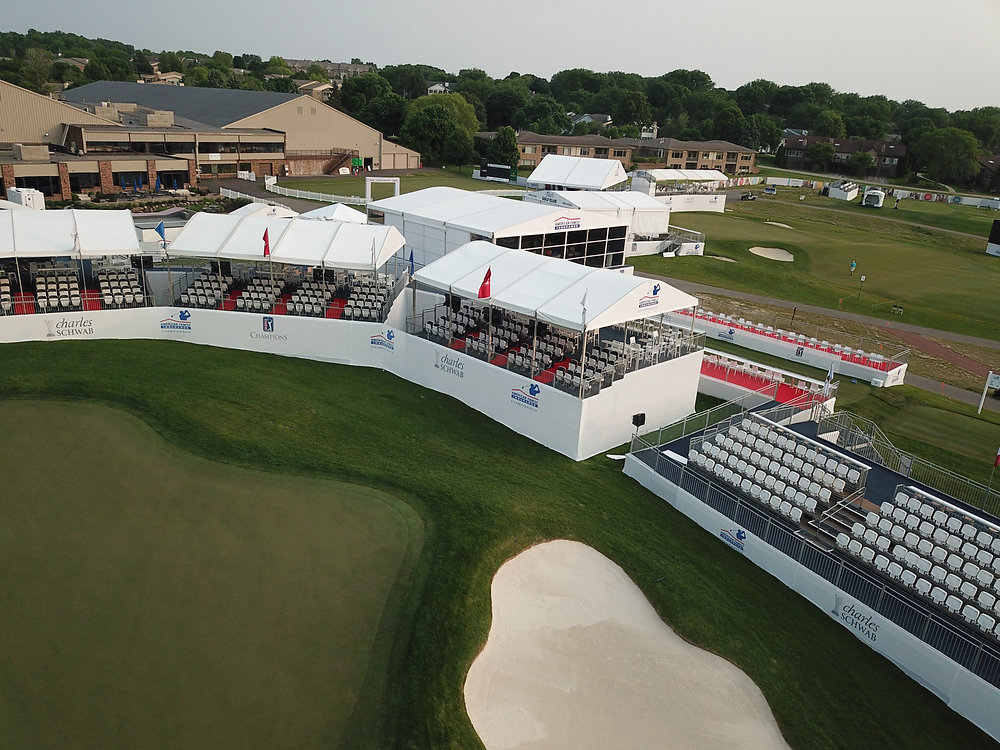
Modular Thinking: The Future of Event Infrastructure
For years, modular infrastructure was viewed as a workaround. A solution used when permanent construction wasn’t possible or timelines were tight.
That framing no longer fits how events operate today.
Across sports, entertainment, and corporate environments, change is constant. Infrastructure decisions now have to account for uncertainty, not just execution.
Modular thinking reflects that reality.
 The Limits of Traditional Infrastructure Models
Traditional infrastructure planning is built on predictability. Fixed capacity. Fixed layouts. Fixed assumptions.
Those assumptions are increasingly fragile.
-
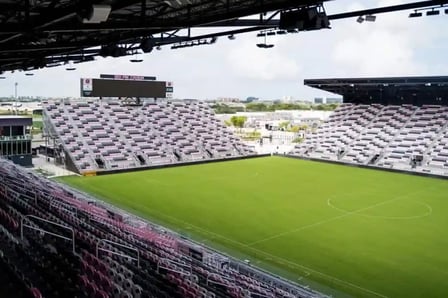
Attendance patterns shift from season to season
-
Sponsorship needs evolve faster than build cycles
-
Broadcast and production requirements grow more complex
The challenge is not permanence itself. It is rigidity.
Modular Thinking Is a Strategy, Not a Product
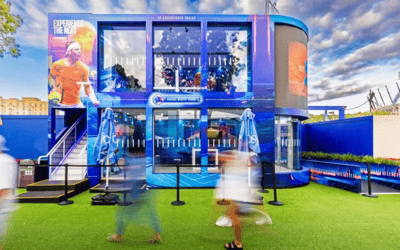
Modular thinking is often reduced to components: seating, staging, temporary structures.
That misses the point.
At its core, modular thinking is a planning strategy. It assumes change from the start and designs systems to respond accordingly.
-
Infrastructure is treated as a system, not a single-use solution
-
Scale and reconfiguration are planned, not improvised
-
Multiple scenarios are considered before the first build begins
Flexibility as a Competitive Advantage
When infrastructure can adapt, organizations gain more than convenience.
They gain control.
-
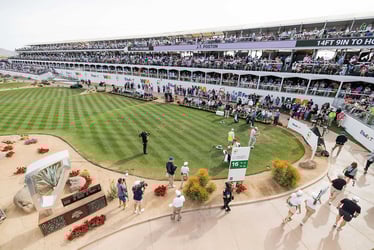
Capacity can expand or contract without sacrificing experience
-
Event layouts can adjust to programming or broadcast needs
-
Hospitality and sponsor spaces can evolve over time
In live events, reliability is a competitive advantage.
The Financial Case for Modular Infrastructure
Modular thinking also changes how investment works.
Instead of concentrating capital into single-purpose assets, organizations invest in systems that can be redeployed and reused.
-
Infrastructure works across multiple events and seasons
-
Capital aligns more closely with actual usage
-
Long-term value replaces one-time builds
This approach improves return while limiting exposure. It allows organizations to invest with confidence even when future conditions are unclear.
Flexibility does not mean compromise.
-
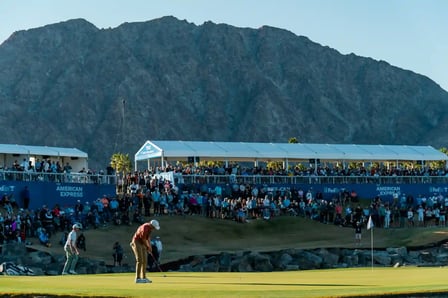
Clear sightlines and thoughtful access
-
Comfortable, safe seating and circulation
-
Hospitality and branding that feel intentional
Modular thinking doesn’t reduce design standards. It raises them.
No event plan survives unchanged.
-
Weather disrupts timelines
-
Schedules shift
-
Attendance fluctuates
-
Regulations evolve
Resilience becomes part of the plan, not a contingency.
What the Future Looks Like
The future of event infrastructure is not defined by temporary versus permanent.
-
Fewer one-off builds
-
More reusable, scalable systems
-
Infrastructure designed to evolve alongside the event
A Change in How We Think
Modular thinking mirrors how modern events actually operate: dynamic, complex, and rarely static.
Organizations that design for movement, not permanence, are better positioned to grow, adapt, and deliver consistently strong experiences.
That shift is already underway.
📩 Ready to see what modular can do for your next event? Contact us at Info@InProduction.com.