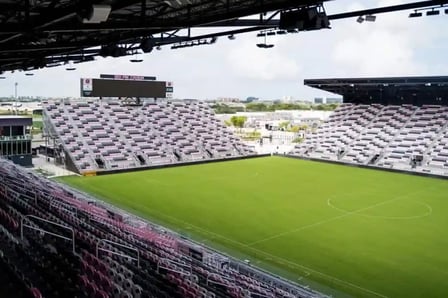
Long before the first speaker takes the stage or the first attendee walks through the doors, the room has already started communicating.
The layout, the sightlines, the circulation, and the way people are brought together all influence how an event feels before a single presentation begins. Seating is often treated as a logistical requirement. It has become one of the most important strategic decisions event teams make.
Every Decision Shapes the Room
Corporate events put attendees through different modes across a day. Listening, collaborating, networking, celebrating, connecting. The physical environment should support each of those moments rather than compete with them.
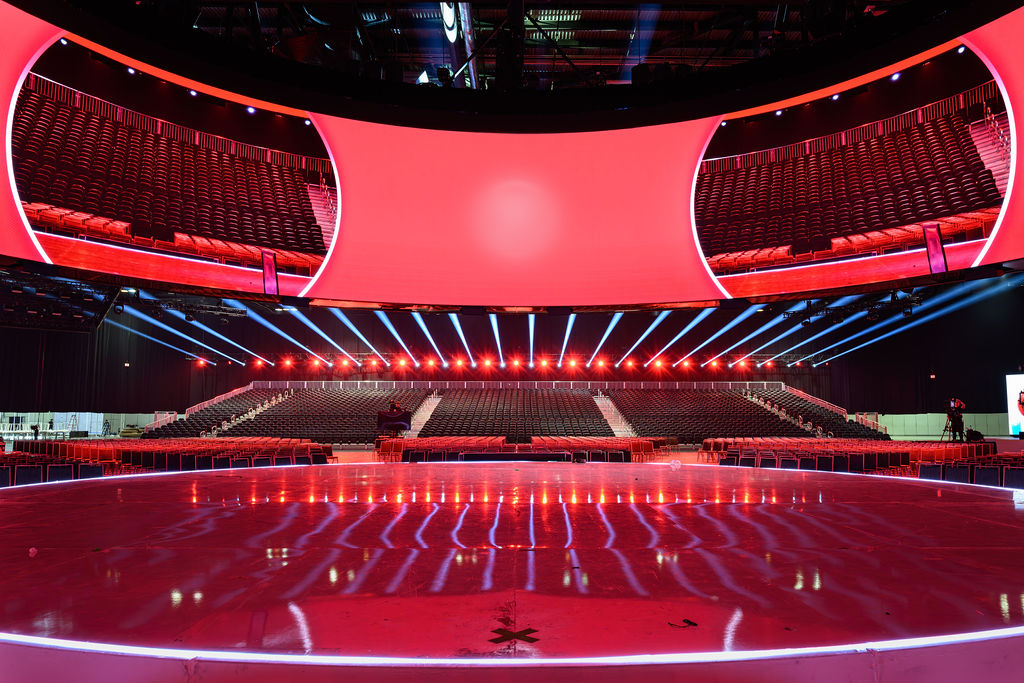
A keynote session benefits from clear sightlines and focused attention. Executive forums call for layouts that encourage discussion. Networking events work best when people can move naturally through the space without congestion. Awards dinners, product launches, and hospitality experiences each have their own requirements.
The seating layout establishes the rhythm of the event. It influences movement, energy, engagement, and how comfortably attendees interact with both the content and each other.
Flexibility Creates Better Rooms
Permanent venues provide a foundation, but they are rarely designed around the specific goals of every event they host.
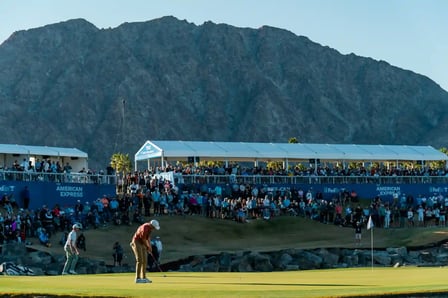
Temporary seating allows organizers to build around the program instead of forcing the program to adapt to the room. Capacity can expand or contract. Layouts can change to support different audiences. Premium seating, hospitality areas, and presentation spaces can all be integrated into a cohesive environment.
That flexibility gives planners the ability to design spaces that feel intentional rather than improvised.
More Than Capacity
When people think about temporary seating, they often think about adding more chairs.
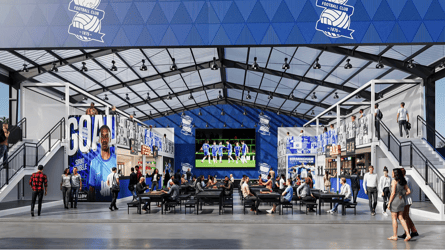
In reality, successful seating strategies consider much more than capacity. Guest flow, accessibility, production requirements, sponsor visibility, camera positions, staging, and premium experiences all influence how a seating environment should be designed.
The objective is not simply to accommodate more attendees. It is to create an environment where every seat supports the experience.
What We Have Learned
At InProduction, we build seating environments for corporate events across formats. Keynote general sessions, product launches, awards dinners, executive forums, brand activations. The pattern is consistent. The events that feel intentional are the ones whose planners treated seating as part of the design, not as the last item on the load-in checklist.
Plan Early or Compromise Late
Like most aspects of event infrastructure, seating delivers the greatest value when it is considered early in the planning process.
Early planning allows teams to coordinate seating with staging, hospitality, branding, food and beverage, audiovisual requirements, and circulation. Instead of solving problems after layouts are finalized, organizers can create environments where every element works together from the beginning.
The result is an event that feels more cohesive for attendees and operates more efficiently behind the scenes.
The Environment Supports the Experience
Corporate events continue to evolve. Expectations are higher, programs are more dynamic, and every square foot is expected to work harder than before.
Seating is no longer simply about where people sit. It is part of how an event communicates, functions, and succeeds.
When considered strategically, the room does more than hold the audience. It shapes the experience from the moment attendees arrive.