
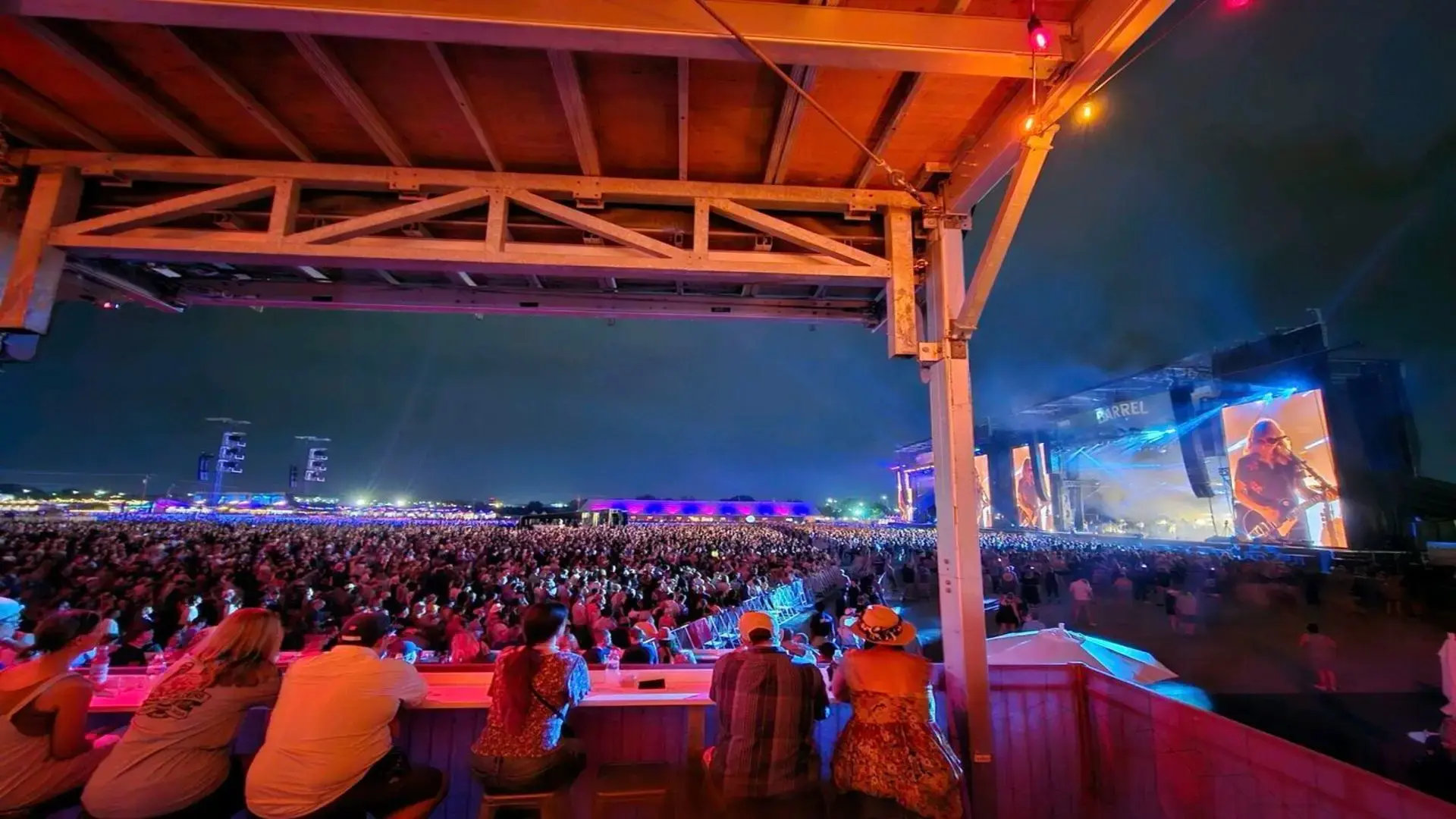
The best festival experiences look effortless. The sightlines are clean. The crowd moves. The hospitality feels like it belongs. Nothing about the infrastructure calls attention to itself.
That effortlessness is not accidental. It is the result of decisions made months before the gates open, when the site is still an empty field and the lineup is not yet public.
The organizers who get it right do not start planning the infrastructure after the tickets sell. They start before.
The Site Is a Starting Point, Not a Solution
Most festival sites were not designed for festivals. Open fields, beaches, parking lots, fairgrounds, racetracks. The infrastructure has to create the venue from scratch, and it has to do it within the constraints of whatever the site actually is.
That means the planning conversation has to start early. Not weeks before load-in. Months before. The site assessment, the permitting process, the utility considerations, the logistics of getting equipment in and out. None of that happens fast, and none of it can be skipped.
Organizers who treat the site as a blank canvas and figure out the infrastructure later are the ones who run into problems during load-in that could have been resolved in a conference room six months earlier.
Capacity Is a Moving Target
A headliner announcement can change the attendance picture overnight. A support act that breaks through between booking and show day can shift demand in ways no one anticipated. Festival audiences do not hold still, and the infrastructure has to be able to move with them.
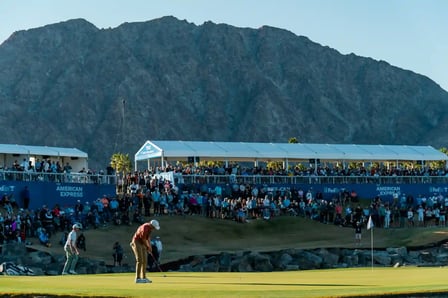
Modular systems handle this better than traditional builds because they are designed to scale. Adding a grandstand section, expanding a hospitality footprint, reconfiguring a viewing area. These are manageable adjustments when the infrastructure was built for flexibility from the start. They become expensive problems when it wasn't.
The events that respond well to their audience are the ones that built that flexibility into the plan before the first piece of equipment arrived on site.
What We Have Learned
At InProduction, we have built infrastructure for festivals across formats. Beach festivals, racetrack venues, urban street events, open-field music environments. Every site brings a different set of constraints. The pattern we have learned is consistent. The festivals that scale well are the ones whose organizers brought us in early enough to plan the build, not late enough to react to it.
The Experience Is the Product
Sightlines matter. Flow matters. Shade matters. The difference between a festival experience people talk about and one they forget is often not the lineup. It is whether the environment made them feel taken care of.
A viewing area with obstructed sightlines frustrates the crowd regardless of who is on stage. A hospitality environment that is hard to find or uncomfortable to be in does not deliver on the premium promise. Circulation paths that create bottlenecks at the wrong moment turn a great show into a stressful one.
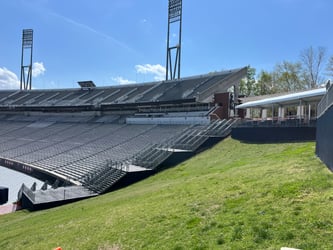
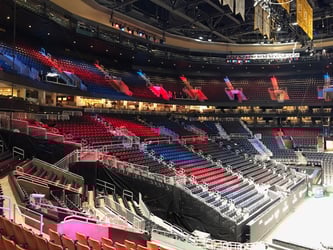
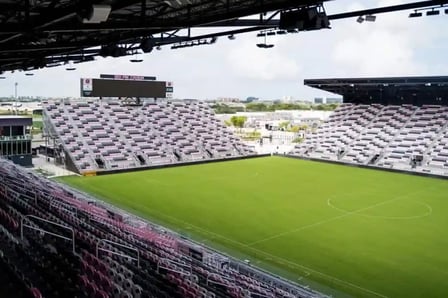
We have built two-story hospitality structures on sand for a major beach festival. We have built modular environments inside the footprint of an active music festival. We have built temporary venues on racetracks, in parking lots, and on open fields. The constants across all of them are sightlines, flow, and shade. Get those three right and the experience holds together. Get any of them wrong and the rest of the work cannot save it.
The infrastructure is not just functional. It shapes how people feel about the event from the moment they walk in to the moment they leave. Organizers who treat it as a logistical necessity rather than an experiential tool are leaving value on the table.
Teardown Is Part of the Build
Long before the first attendee arrives, organizers are already thinking about what happens when the event ends. The site has to be returned. Contracts have deadlines. A festival that cannot come down as fast as it went up creates real problems, financial, logistical, and reputational, that follow the organizer into the next planning cycle.
Teardown is not an afterthought. It is part of the build. The same planning discipline that goes into getting the infrastructure up has to go into getting it down. Load-out logistics, material storage, site restoration. All of it has to be accounted for before the first piece goes up.
Festivals that treat teardown as someone else's problem at the end of the event are the ones that end up paying for it.
What the Best Festivals Have in Common
The festivals that run well did not get lucky. They made decisions early, built flexibility into the plan, and worked with infrastructure partners who understood the full scope of what the event required.
The lineup gets people to buy tickets. The infrastructure determines whether they come back.