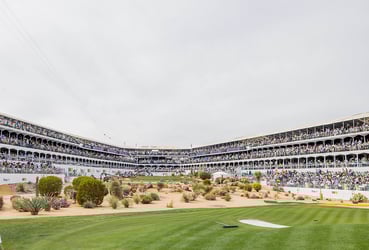
Guests begin forming an impression of an event before a presentation starts, a product is demonstrated, or a conversation takes place.
They notice whether the environment is easy to find. They register how it feels to enter. They respond to the scale, lighting, materials, sound, and activity around them. They understand, often immediately, whether the space was created with them in mind.
A brand environment is not simply a backdrop for an event. It shapes how guests move, interact, and remember the experience.
The Experience Begins with Arrival
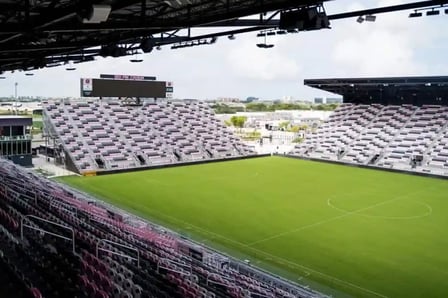
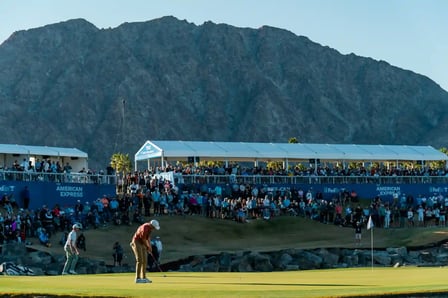
At a busy conference, festival, or sporting event, brands are often operating within an environment they do not control.
The first challenge is helping guests recognize where the brand’s experience begins.
Height, architectural form, graphics, lighting, and open sightlines can establish visibility from a distance. The entrance then needs to feel clear and intentional. Guests should understand where to go without relying on excessive signage or staff direction.
An impressive structure may attract attention, but visibility alone is not enough. The arrival experience has to make people feel comfortable entering.
Open circulation, a welcoming threshold, and a clear view of activity inside can reduce hesitation and invite participation.
Layout Influences Behavior
The arrangement of a space affects what guests do once they enter.
A large open floor may encourage movement and exploration. Smaller seating areas can support longer conversations. Demonstration zones create points of interest, while private rooms make focused meetings possible.
When these elements are placed without considering their relationship to one another, the environment can feel disconnected.
Guests may crowd around the entrance, miss important content, or move through the space without engaging. Hospitality may feel separate from the brand experience. Private conversations may take place beside loud demonstrations.
A successful layout guides behavior without making the experience feel controlled.
It creates a natural progression from arrival to engagement, conversation, and departure. Guests can understand their options and move between them easily.
Materials Communicate Positioning
Every physical choice communicates something about the brand.
Materials, finishes, furniture, graphics, and lighting can make an environment feel refined, energetic, technical, approachable, exclusive, or informal.
These decisions should reflect the experience the brand wants to create, not simply reproduce its visual identity at a larger scale.
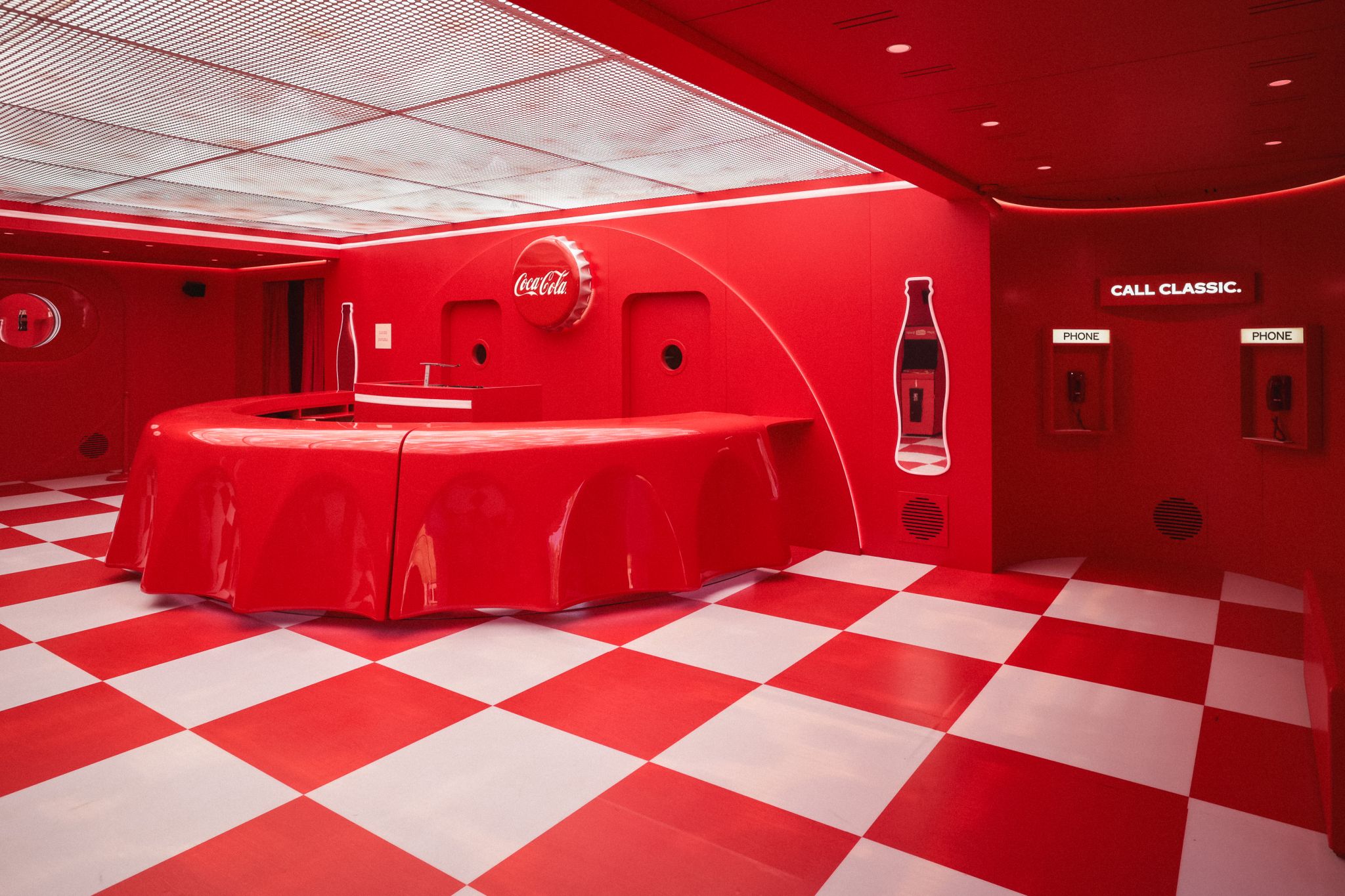
Branding does not have to mean placing a logo on every available surface. In many cases, the stronger expression comes from the environment itself.
Color, texture, structure, proportion, and detail can communicate identity more effectively than repeated graphics. The objective is to make the space feel unmistakably connected to the brand without allowing branding to overwhelm the guest.
Comfort Changes How Long Guests Stay
Guest comfort is also a strategic consideration.
People are more likely to remain in an environment when they can sit comfortably, hear conversations, access shade or climate control, and move without congestion.
That additional time creates more opportunities for interaction.
A customer who stays for a meeting may also experience a demonstration. A guest who enters for hospitality may begin a conversation with the team. A visitor who stops briefly may remain because the environment offers relief from the activity surrounding it.
Seating, acoustics, temperature, weather protection, and service should not be treated as secondary details. They directly influence how the space performs.
The Environment Should Support the People Working in It
Brand environments are not designed only for guests.
Sales teams, executives, presenters, hospitality staff, and production crews need the space to function effectively. Meeting rooms require appropriate privacy. Demonstrations need power and technology. Staff need storage, service access, and clear routes through the environment.
When operational requirements are not integrated into the plan, they become visible to guests.
Equipment collects in public areas. Staff cross through conversations. Service interrupts presentations. Private meetings compete with surrounding noise.
A well-designed environment conceals complexity while giving the people working inside it what they need.
A Cohesive Experience Is More Memorable
At NVIDIA GTC, Lenovo’s SPACECUBE environment brought meetings, hospitality, product demonstrations, and customer engagement together within one branded destination.
Each activity had a defined place, but the installation still read as a single environment. Guests did not have to leave the brand experience to move from one type of interaction to another.
That cohesion matters.
People may not remember every finish or structural detail, but they remember whether an environment felt easy to navigate, comfortable to spend time in, and consistent with the brand hosting them.
Build from the Guest’s Perspective
The strongest brand environments begin with the guest journey.
What will people see first? What will encourage them to enter? Where will they naturally pause? How will they move from a demonstration to a meeting or hospitality area? What will make them stay?
Answering those questions early helps ensure that architecture, branding, technology, furnishings, and operations are working toward the same experience.
A brand environment is successful when it does more than look recognizable. It should make the guest feel welcomed, oriented, and engaged.
The structure creates the space. The experience created inside it is what people remember.