How SPACECUBE Unlocked Underutilized Infrastructure at the BNP Paribas Open
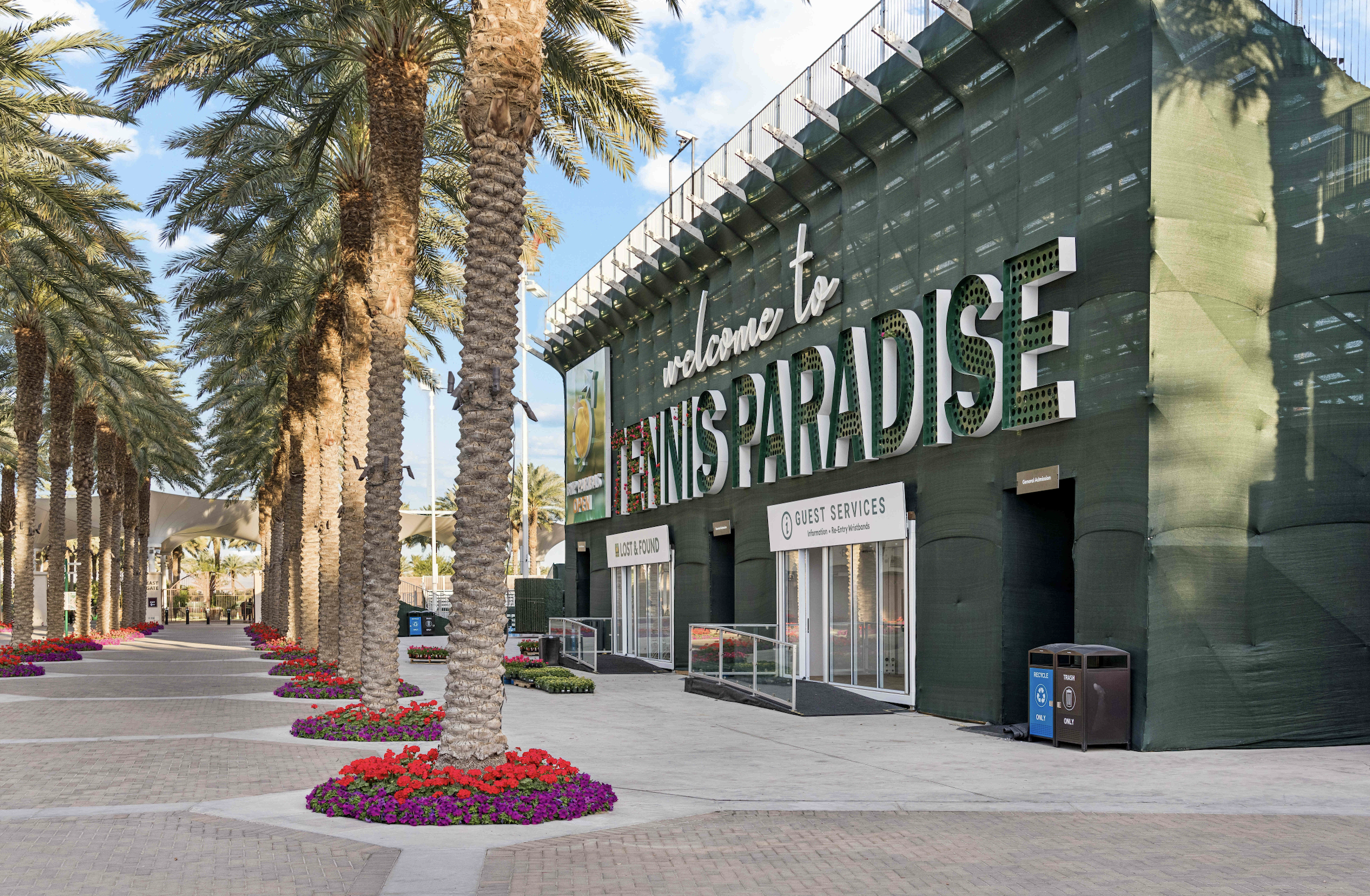
At the BNP Paribas Open, every square foot matters.
Tournaments of this scale operate like temporary cities. Circulation, hospitality, broadcast, athlete services, retail, all of it competing for footprint inside a fixed venue boundary.
The question is rarely how do we add more.
It is almost always where does it go.
This year, part of the answer lived beneath the grandstands.
Activating Under-Grandstand Space
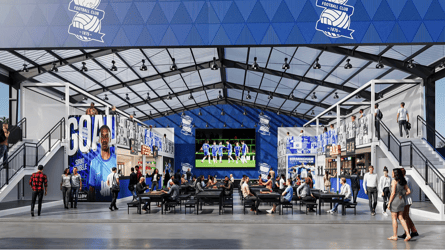
InProduction deployed SPACECUBE structures beneath existing seating to create fully operational programmed environments.
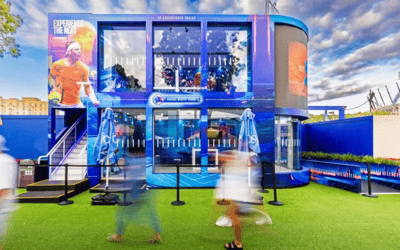
SPACECUBE is typically recognized for premium hospitality builds and standalone activations. At Indian Wells, it served a different purpose, unlocking underutilized structural space.
Rather than expanding outward and increasing the event footprint, the build expanded inward, transforming negative space into revenue-generating square footage. In this case, that meant food and beverage service, but the application is just one example of what the footprint can support.
Why Under-Stand Works
Grandstand infrastructure naturally creates covered volume below seating decks.
Traditionally, that area is used for storage, limited back-of-house operations, or left unprogrammed due to complexity.
By integrating modular SPACECUBE units beneath the structure, the tournament gained:
- Protected, weather-covered programming zones
- Improved guest flow through distributed service points
- Reduced congestion in primary concourse areas
- Revenue expansion without adding new build zones or increasing site footprint
This is not about squeezing something in. It is about designing with intention inside the structural rhythm that already exists.
The Range of Applications
Food and beverage was the right fit at Indian Wells. But under-grandstand SPACECUBE deployments are not limited to concessions. The same footprint can support a wide range of operational and revenue-generating functions depending on event needs.
That flexibility is where the real value sits.
Potential applications include:
Retail and Merchandise
Team stores, limited-edition drops, tournament gear, or sponsor-branded product activations positioned within high-traffic structural zones.
Sponsor Activations
Brand environments, sampling stations, digital engagement zones, or hospitality integrations built directly into the under-stand footprint.
Premium and Credentialed Access
Player family areas, credential check-in, media hospitality, or private service corridors that require proximity to competition areas without consuming visible fan space.
Back-of-House Infrastructure
Cold storage, prep areas, production control, equipment staging, or staff support, all protected and structurally integrated.
Operational Command
Security, event operations, and broadcast support positioned strategically within the venue without disrupting the guest environment.
Designing for Year-Over-Year Adaptability
What makes this model especially powerful is that it does not lock the space into a single function.
One year it supports food and beverage. The next year it shifts to merchandise, sponsor programming, or a credential hub depending on what the event needs.
The structural footprint stays efficient. The interior buildout evolves with demand, sponsorship strategy, or attendance patterns.
For tournaments and leagues managing fluctuating attendance and evolving revenue models, that optionality matters.
Density Without Disruption
High-attendance events like the BNP Paribas Open require operational precision. Guest experience cannot suffer because space is tight.
The modular footprint allowed for:
- Clean integration with existing grandstand geometry
- Defined service corridors for staff
- Proper ventilation and utilities within a temporary framework
- A finished environment that reads as part of the venue to the guest
From the outside, it feels permanent. Behind the scenes, it operates like a purpose-built modular unit.
Building Smarter, Not Bigger
There is a growing shift in live events away from expansion for expansion’s sake. The smarter move is often strategic infill, activating the cubic volume you already control.
Under-structure builds represent:
- Capital efficiency
- Faster deployment timelines
- Reduced site impact
- Greater programming flexibility year over year
This is the kind of infrastructure thinking that allows major tournaments to scale intelligently.
At Indian Wells, the result was straightforward. More service capacity. Better flow. Zero wasted space.
Let’s talk about how modular infrastructure can unlock capacity without expanding your footprint.