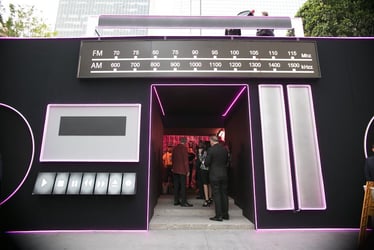
Arenas, stadiums, and parks were built for something specific. Concerts, festivals, and touring productions rarely match that something. Here is how live entertainment producers close the gap.
The Mismatch Is the Default
Walk into almost any large-scale live entertainment event and you are standing in a venue that was not designed for what you are about to experience.
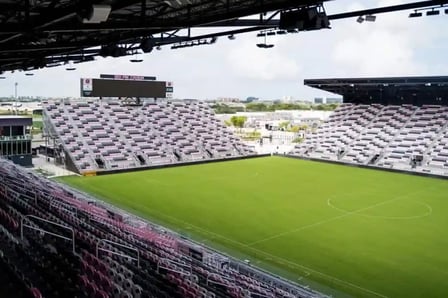
The arena was built for hockey or basketball. The stadium was built for football. The public park has no permanent infrastructure at all. Yet these are exactly the spaces where concerts, festivals, touring productions, and multi-day events happen every single day.
This is not a problem unique to secondary markets or budget productions. Some of the largest live entertainment events in the world take place in venues that were designed for an entirely different purpose. The mismatch is not the exception. It is the default.
The question is not whether a gap exists between the venue and the show. The question is how you close it.
The Three Most Common Infrastructure Gaps
When a venue was not designed for the show, the friction usually shows up in the same three places.
Capacity and sight lines. A venue optimized for one sport rarely delivers the right audience configuration for a live entertainment format. Floor capacity may be limited. Upper decks may be too far from the stage. The sightline angles that work for a center-court sport create blind spots for a front-of-house stage. Temporary overlay seating and floor risers allow producers to reshape the bowl, bring audiences closer, and add capacity that the permanent structure does not provide.
Surface and floor incompatibility. Natural turf, hardwood courts, and arena floors are not designed to handle the foot traffic, load bearing, or weather exposure that a large festival or touring production demands. Flooring systems protect the underlying surface while creating a safe, level, and functional environment for the event. This is not just a venue protection issue. It is a production requirement. The show cannot load in, build out, or run without a surface that works.
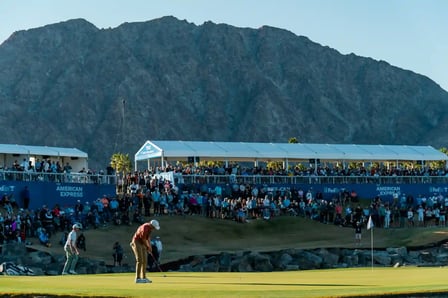
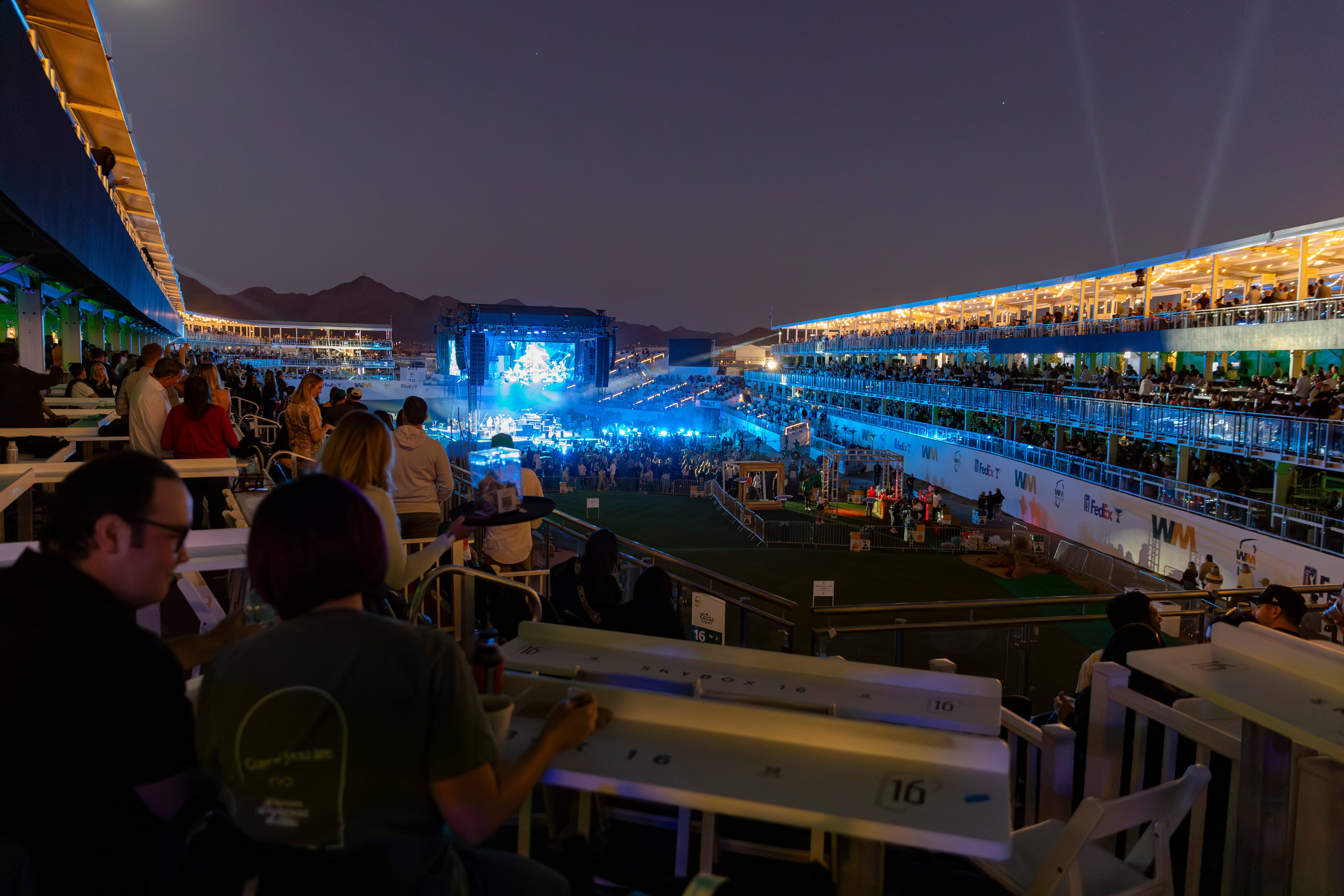
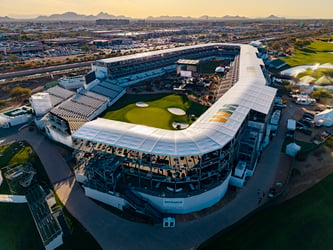
Hospitality and premium space. A venue's permanent premium areas were designed for its primary tenant's audience and sponsors. They rarely map to what a touring production, festival promoter, or sponsor partner needs. Custom modular hospitality structures fill that gap. They can be configured to the event's layout, branded to the show, and positioned wherever the footprint allows, not just where the building's permanent infrastructure permits.
The Operational Reality: Load-In, Logistics, and Venue Relationships
Closing the infrastructure gap is not just a design challenge. It is an operations challenge.
Live entertainment events run on tight production schedules. Load-in windows are measured in hours, not days. Venue relationships come with rules, restrictions, and competing priorities. The infrastructure partner who arrives late, damages the floor, or creates friction with venue operations does not just create a headache. They put the show at risk.
This is why experience matters as much as product capability. A temporary seating or flooring company that has worked in hundreds of venues across the country understands how to navigate venue contracts, coordinate with local crews, protect surfaces that carry significant replacement costs, and execute an install that does not eat into production time.
The best infrastructure partners are not just vendors. They are part of the production team, and they operate accordingly.
The Case for Turnkey: One Partner Across the Full Footprint
Most large-scale live entertainment events require multiple categories of temporary infrastructure. Seating. Flooring. Staging. Hospitality structures. Barriers and access control elements.
Managing separate vendors for each category creates coordination risk that compounds as the event grows in complexity. Different load-in schedules. Different site contacts. Different accountability when something goes wrong between systems.
A single-source infrastructure partner who can cover the full footprint under one contract changes the dynamic. There is one point of contact from the initial site survey through the final strike. One team that understands how the seating integrates with the flooring, how the staging interacts with the sightlines, how the hospitality structures fit the overall layout. One accountability structure when adjustments need to happen quickly.
For touring productions that move market to market, this matters even more. The institutional knowledge a turnkey partner builds across the first few markets does not have to be rebuilt from scratch at each stop. The process gets faster and cleaner as the run continues.
Where This Shows Up in Live Entertainment
The application spans the full range of live entertainment formats.
Stadium and arena concerts. When an A-list tour plays a venue built for sports, the entire floor configuration, sightline structure, and premium experience is rebuilt around the show. Temporary seating fills gaps the permanent bowl creates. Flooring protects the surface beneath thousands of fans. Modular structures create backstage, production, and VIP environments that the venue's permanent infrastructure cannot provide.
Multi-day festivals. Festivals built on fairgrounds, public parks, and open fields are essentially temporary venues constructed and struck every year. Every element of the audience experience, seating areas, viewing platforms, hospitality zones, flooring across the site, is deployable infrastructure. The physical event is only possible because of it.
Touring productions and residencies. Productions that move across multiple markets in a single season face the same infrastructure challenges in different venues, on different schedules, with different venue teams. A partner who can execute consistently across all of them is not a luxury. It is a production requirement.
One-time and special events. Anniversaries, tribute events, one-night-only productions, and special performances often land in non-traditional venues specifically because of their uniqueness. Those venues almost never have the infrastructure to support a full production. Temporary seating, flooring, and staging make the event possible.
What to Look for in a Live Event Infrastructure Partner
For live entertainment producers, the criteria for an infrastructure partner are specific.
Production fluency. The partner needs to understand how live events are built, not just how temporary seating is installed. Site surveys, load-in coordination, and strike timing should feel familiar to them, not like a special accommodation.
Surface protection expertise. Flooring systems that protect venue surfaces while meeting production requirements are a technical discipline. Look for partners with documented experience protecting arena floors, natural turf, and hardwood courts at scale.
National reach. Touring productions do not stay in one market. A partner who can execute across the country with consistent quality and logistics depth is significantly more valuable than a regional operator who needs to rebuild relationships and logistics at every stop.
Turnkey capability. The more categories of infrastructure a single partner can cover, the lower the coordination risk and the cleaner the production.
The Show Defines the Space. The Space Shouldn't Define the Show.
The venue is a starting point, not a constraint.
The best live entertainment events are built around the show, not around what the building happens to offer. Temporary infrastructure is what makes that possible. It closes the gap between what the venue was designed for and what the audience came to experience.
Done right, the audience never notices the gap existed. They just remember the show.
InProduction is a national provider of temporary seating, flooring, staging, modular hospitality structures, and live event infrastructure for concerts, festivals, and touring productions across the United States. Learn more at InProduction.com.